Maruti Suzuki e Vitara Electric SUV Launched in India





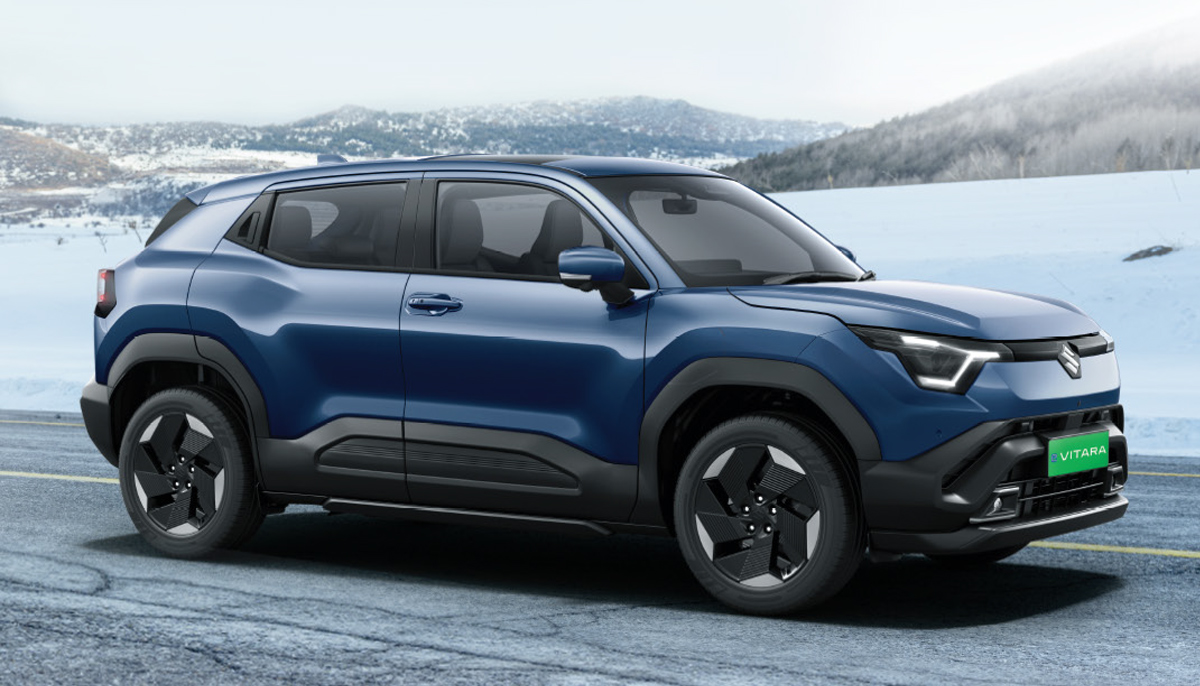
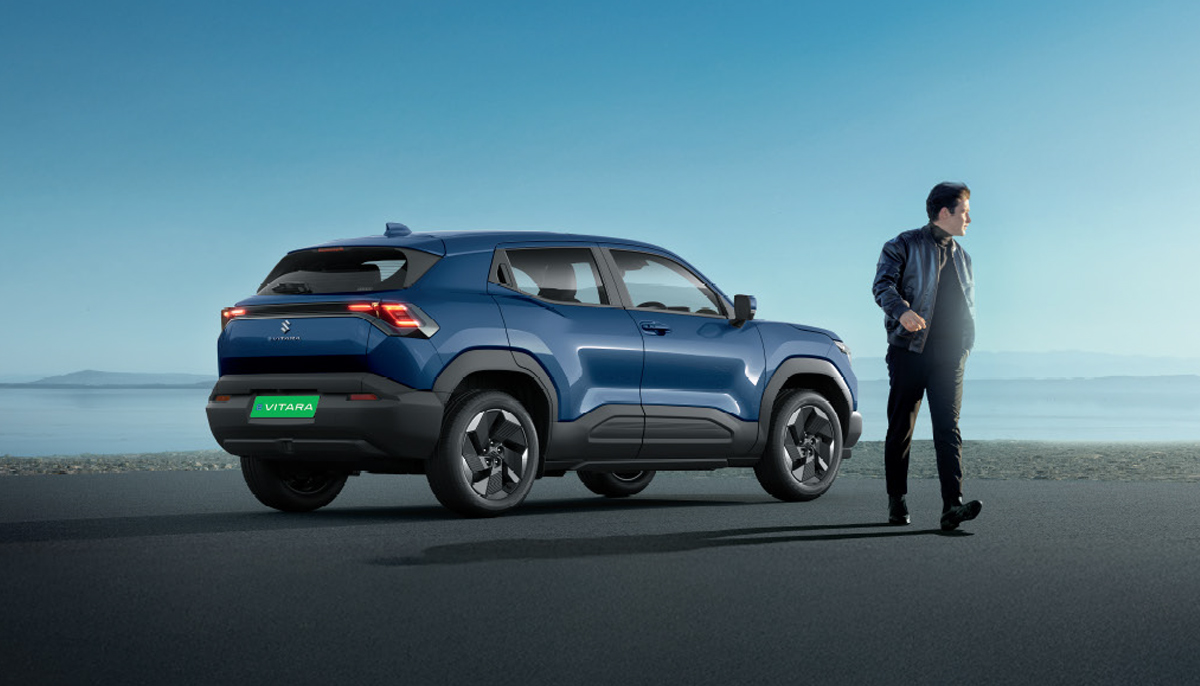
Maruti Suzuki has finally entered India’s electric vehicle race with the launch of the e Vitara, pricing its first all-electric SUV at an introductory INR 10.99 lakh (ex-showroom) under a Battery-as-a-Service model that separates the cost of the battery from the vehicle itself.


Instead of paying the full EV price upfront, buyers will pay a running fee of INR 3.99 per kilometre for battery usage — a move aimed at lowering entry barriers for first-time electric car buyers while testing a new ownership model for the Indian market.

The launch signals a significant strategic shift for Maruti Suzuki, a brand that has long dominated the conventional passenger vehicle space but took a cautious approach toward electrification compared to rivals.
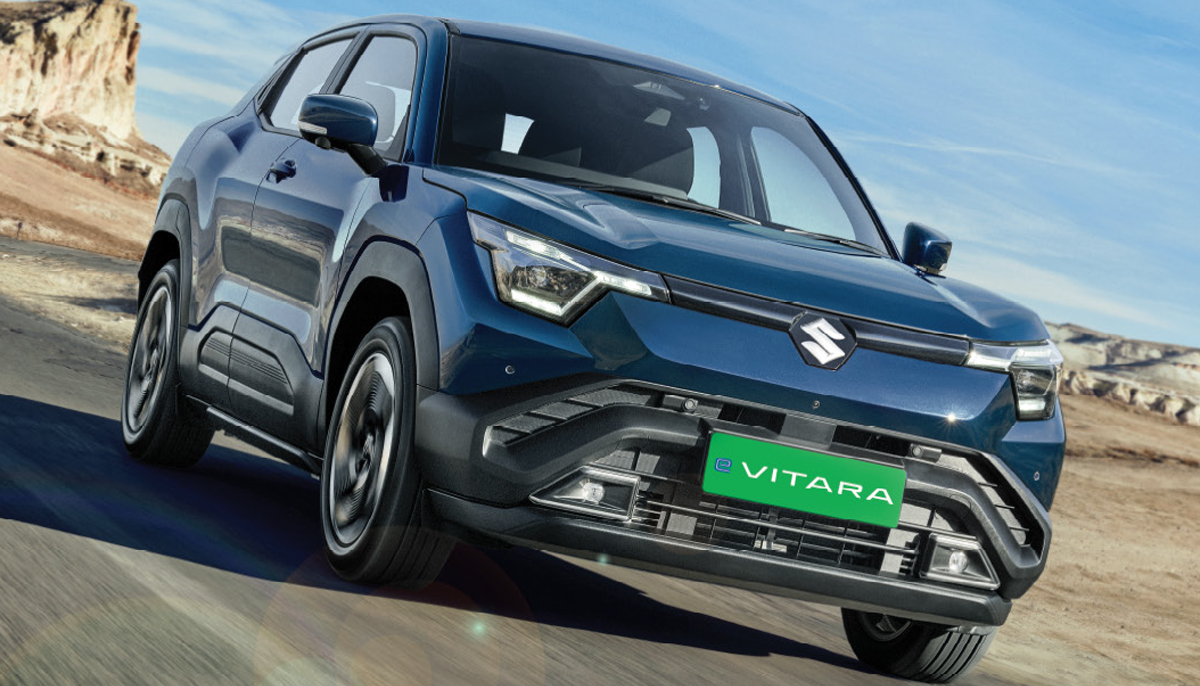
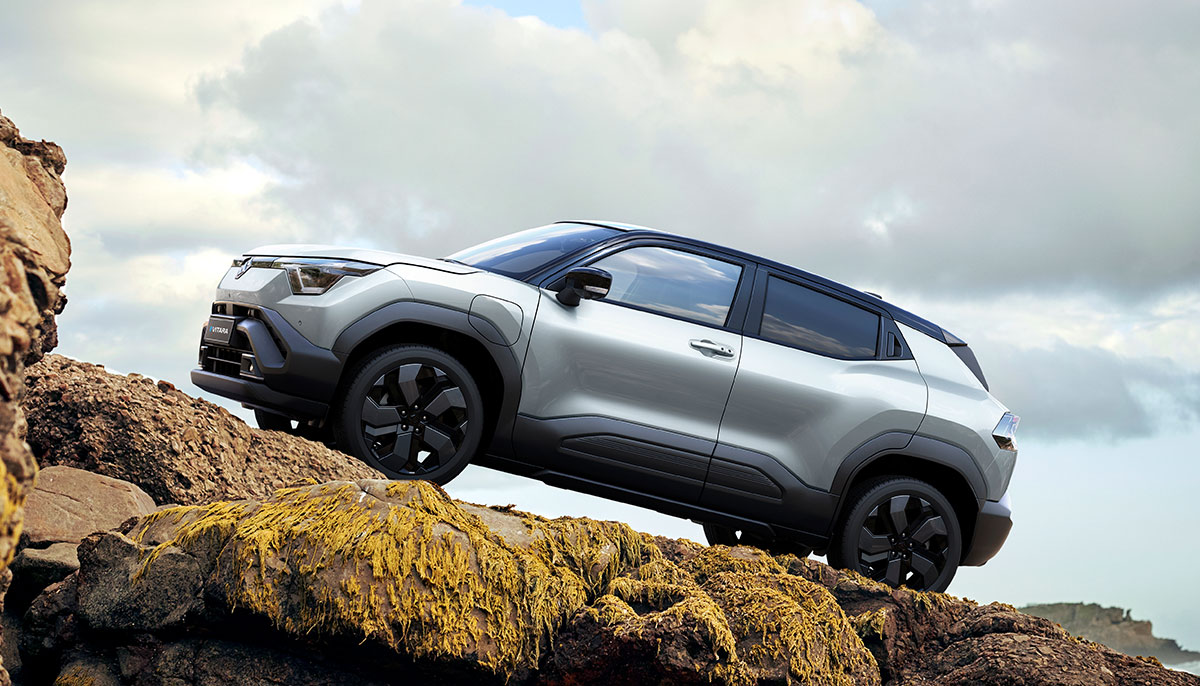
On the design and packaging front, the e Vitara sticks to a practical formula rather than chasing radical EV styling trends. Measuring 4,275mm in length with a 2,700mm wheelbase, the SUV uses a dedicated electric architecture with a flat floor that helps maximize cabin room.

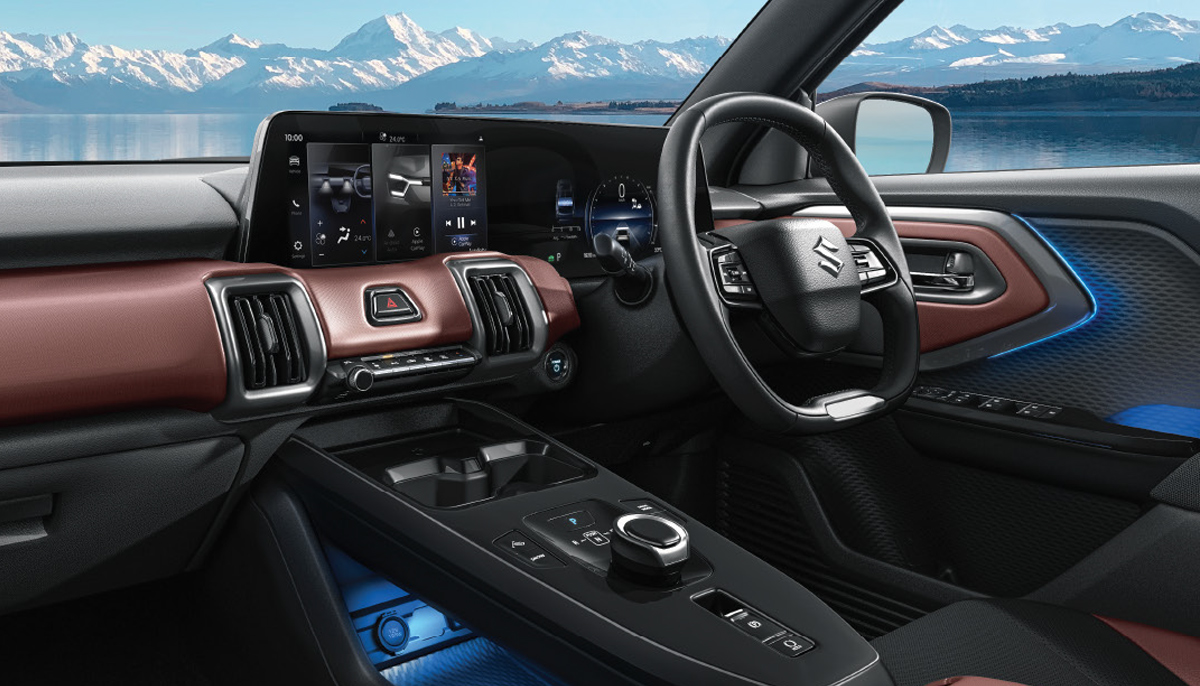
The interior focuses on everyday usability with features such as ventilated front seats, a 10-way power-adjustable driver’s seat, and a versatile 40:20:40 split rear bench that slides and reclines.
On the technology front, a 10.1-inch infotainment screen and a 10.25-inch digital instrument display form the core of the dashboard layout, supported by wireless connectivity and a premium Infinity by Harman audio system.
The e Vitara is offered with two battery options. The 49kWh version produces 144hp and 189Nm of torque, delivering a claimed range of around 440km. Buyers opting for the larger 61kWh pack get 174hp and a claimed range exceeding 543km, figures that place the SUV competitively within its segment.
Both versions use a compact 3-in-1 electric powertrain that integrates the motor, inverter and transmission, while advanced thermal management is designed to maintain performance in extreme climate conditions ranging from –30°C to 60°C.
Charging options appear targeted toward both home and public infrastructure. Using a 7.4kW AC charger, the battery can be replenished from 10 to 80 percent in roughly 6.5 hours for the smaller pack and around 9 hours for the larger one.
Fast charging support up to 70kW DC reduces that window to about 45 minutes, making it practical for highway stops and long-distance usage.
Safety is another area where Maruti has clearly aimed to match evolving buyer expectations. The e Vitara comes equipped with seven airbags, all-disc brakes, an electronic parking brake, a tyre pressure monitoring system, 360-degree camera, front and rear parking sensors, e-Call assistance and Level 2 ADAS features.
The SUV will be sold in three trims — Delta, Zeta and Alpha — with the entry-level Delta available only with the smaller battery pack.
Alongside the BaaS model, Maruti is offering an assured buyback value after three years, a complimentary home charger with installation, and long-term warranty support for both vehicle and battery.
The e Vitara, first showcased in late 2025, arrives at a time when competition in the mid-size electric SUV segment is intensifying, with nearly every major manufacturer betting heavily on battery-powered mobility.
The e Vitara has also been showcased in the Nepalese market, although there is currently no news regarding its official launch timelines in the country.





GWM Ora 5, Tank 300 Win International Awards at TADA 2026
New IM LS6 Revealed in China With Chassis and Cabin Upgrades

China’s August EV Best-Sellers Include Several Models Sold in Nepal